RECOMMENDED NEWS
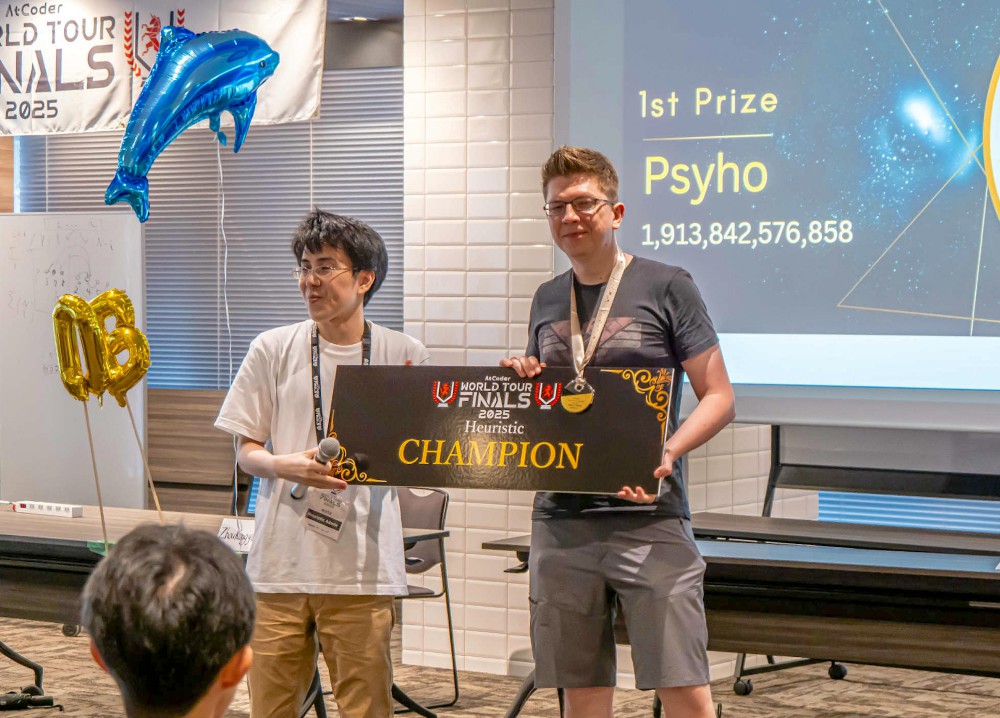
Human wins coding contest … but AI finishes a close second
“Humanity has prevailed (for now!),” so said Polish programmer Przemysław Dębiak after emergin...
Read More →
ChatGPT now interprets photos better than an art critic and an investigator combined
ChatGPT’s recent image generation capabilities have challenged our previous understanding of AI-ge...
Read More →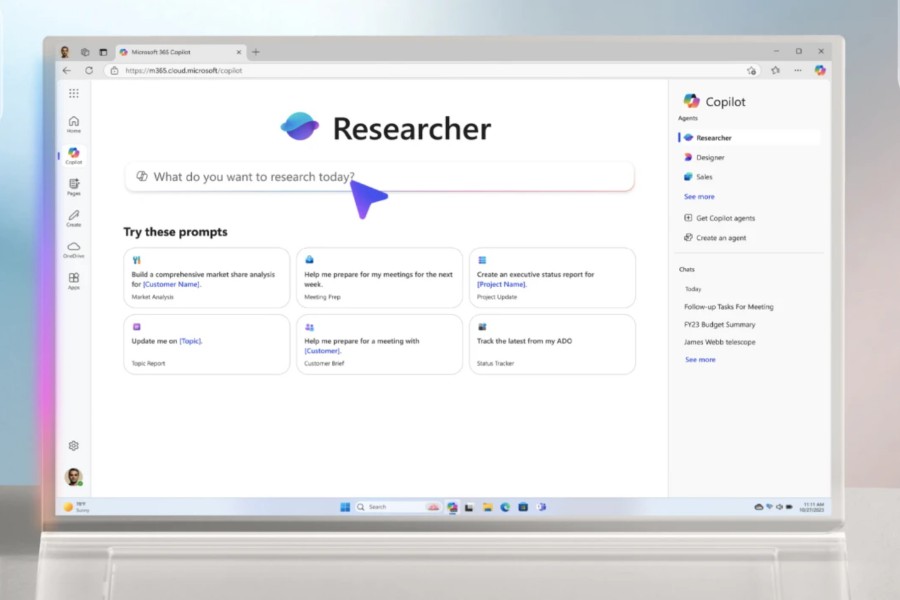
Microsoft 365 Copilot gets an AI Researcher that everyone will love
Microsoft is late to the party, but it is finally bringing a deep research tool of its own to the Mi...
Read More →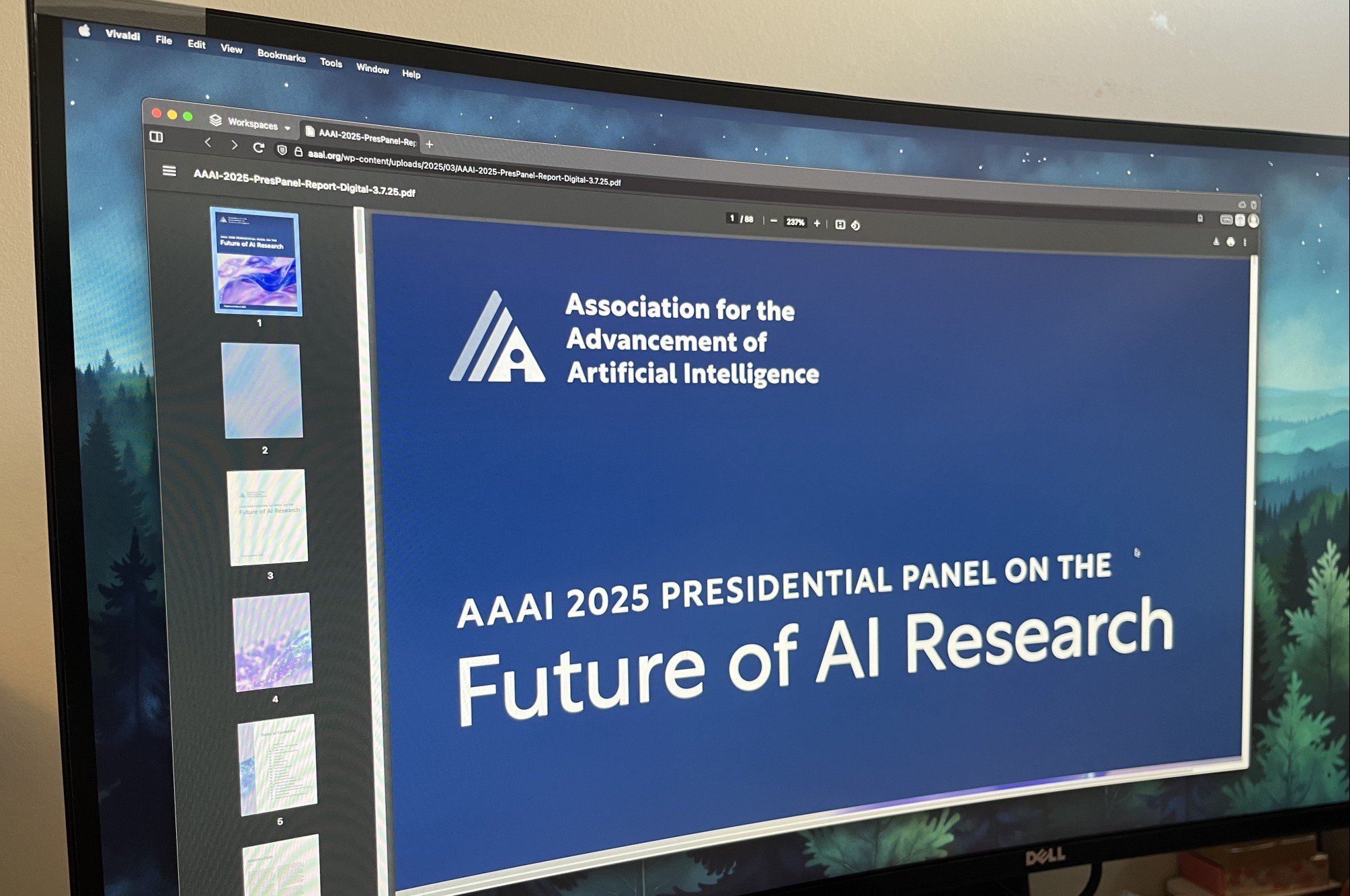
Study says AI hype is hindering genuine research on artificial intelligence
A new AAAI (Association for the Advancement of Artificial Intelligence) study with hundreds of contr...
Read More →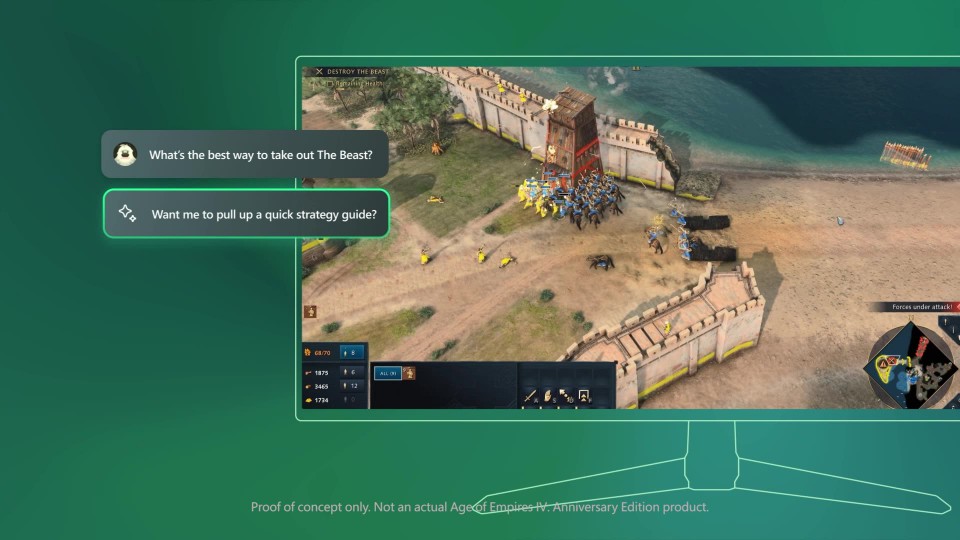
Copilot for Gaming is like Xbox’s Nintendo tip line, but for AI
Copilot Is Coming To Gaming, Xbox Play Anywhere Updates, And More Official Xbox PodcastCopilot for ...
Read More →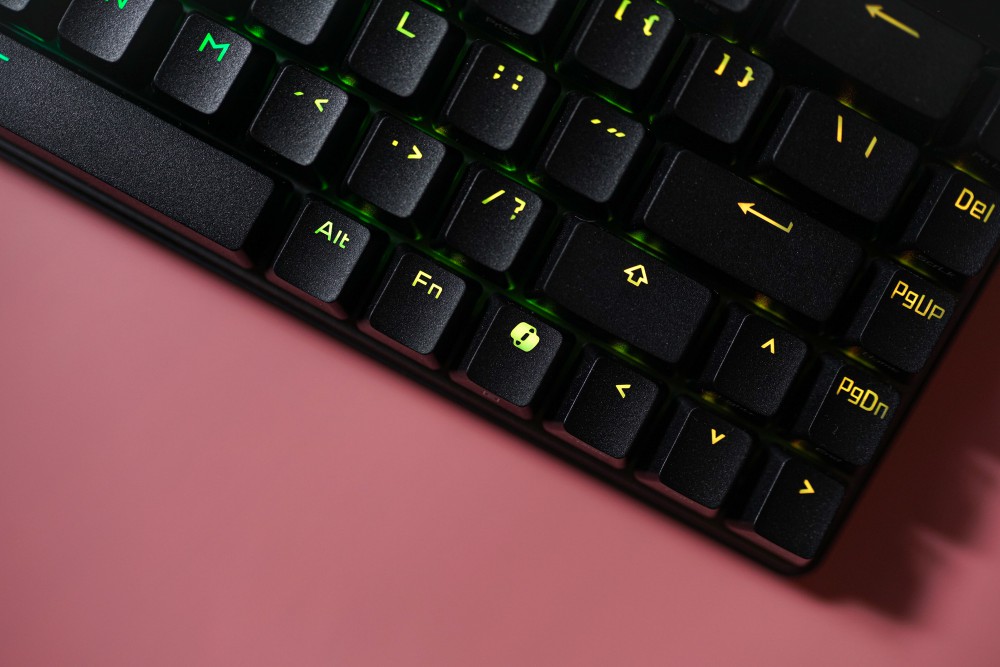
The latest Windows 11 build has a surprising bug — it gets rid of Copilot
Microsoft has updated the support page for the Windows 11 build it released last week to reveal a ra...
Read More →
xAI’s Grok-3 is free for a short time. I tried it, and I’m impressed
xAI launched its Grok-3 AI chatbot merely a few days ago, but locked it behind a paywall worth $40 p...
Read More →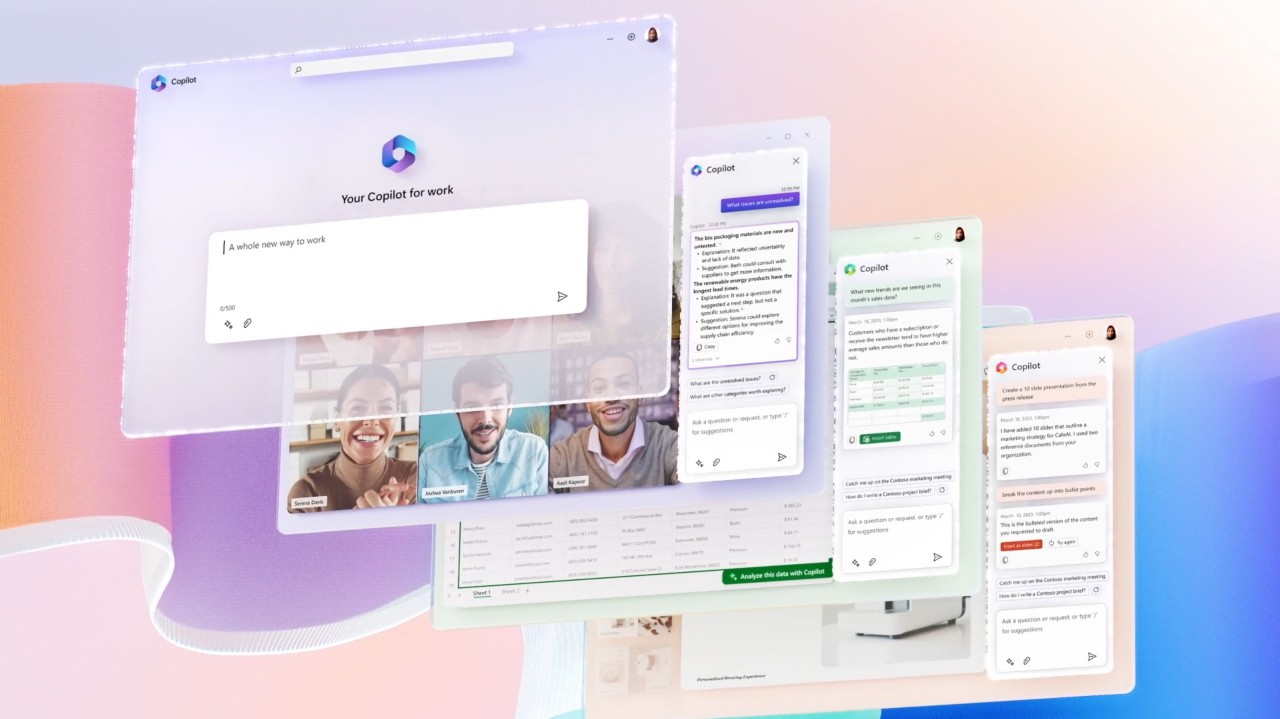
Microsoft’s testing a new way to make Copilot unavoidable
Microsoft is at it again, trying to “encourage” users to use Copilot by testing an option that a...
Read More →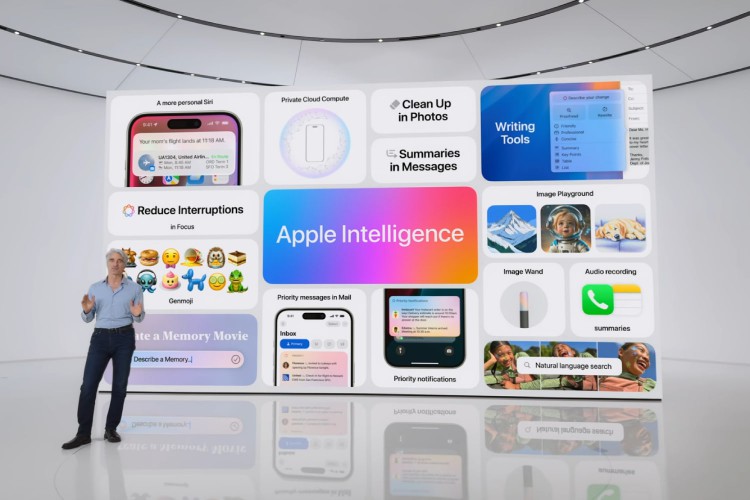
My dream AI MacBook may be delayed until 2027 thanks to Apple Intelligence
Artificial intelligence (AI) is experiencing explosive growth at the moment, with everyone in the te...
Read More →
Comments on "OpenAI lifts the lid on ChatGPT’s daily prompt count — and it’s big" :