ChatGPT’s awesome Deep Research gets a light version and goes free for all
There’s a lot of AI hype floating around, and it seems every brand wants to cram it into their products. But there are a few remarkably useful tools, as well, though they are pretty expensive. ChatGPT’s Deep Research is one such feature, and it seems OpenAI is finally feeling a bit generous about it.
The company has created a lightweight version of Deep Research that is powered by its new o4-mini language model. OpenAI says this variant is “more cost-efficient while preserving high quality.” More importantly, it is available to use for free without any subscription caveat.
Why does it matter?
Deep Research, as the name suggests, is an agentic feature that performs a comprehensive web research on any topic and provides responses in the form of a well-drafted paper. Compared to the typical chatbot answer, it feels more like a research assignment.
You can narrow down the research to a specific type of sources, such as academic papers or corporate press releases, and get a well-curated multi-page answer with all the citations, headings, tables, and bullet points. In a nutshell, Deep Research accomplishes in minutes what would usually take hours of internet research and writing for a person.
At the same time, this process is extremely resource-intensive, and that’s why it has remained exclusive to the paid ChatGPT users. Thanks to the new lightweight version, it is not only reaching out to free-tier users, but also expanding the search limit for subscribers.
What’s the new benefit?
OpenAI says ChatGPT users can launch up to five Deep Research queries each month. So far, the company has only allowed one attempt per month for free users. Google’s Gemini, Microsoft’s Copilot, and Perplexity also offer this convenience.
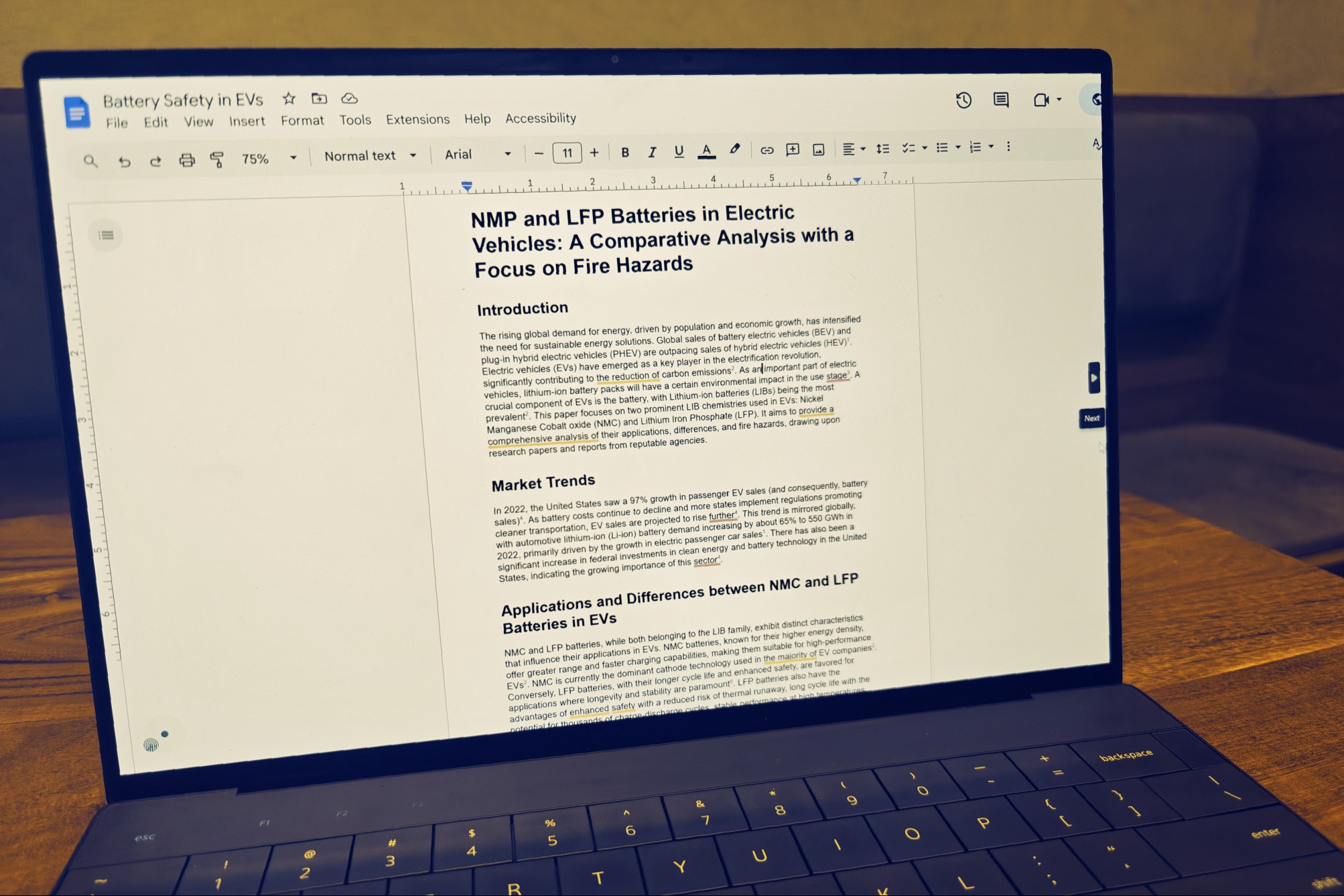
For users who pay a $20 monthly fee for a ChatGPT Plus subscription, they get a window of 25 Deep Research queries per month. The same limit is also applicable for ChatGPT’s Education, Team, and Enterprise packages. The $200/month Pro package will give you 250 attempts each month.
Once that limit is exhausted, users are automatically shifted to the lightweight version of Deep Research. OpenAI says this iteration is “nearly as intelligent as the deep research people already know and love.”
The only difference is that the length of responses will be smaller, but they won’t compromise on the depth of research. This is fantastic news for users who couldn’t afford a subscription fee, but still wanted to use a powerful AI tool that can get serious work done instead of just creating fun Ghibli-style images.







Comments on "ChatGPT’s awesome Deep Research gets a light version and goes free for all" :