AI app clicks nail selfie to detect blood condition affecting billions
Nearly two billion people across the world suffer from a blood condition called anemia. People living with anemia have a lower than average number of red blood cells, or the hemoglobin (Hgb) protein, and as a result, reduced oxygen carrying capacity.
Chronic anemia can lead to serious health issues such as heart attack and organ damage, with pregnant women being at a particularly higher risk. So far, anemia identification has required a visit to the clinic for CBC blood tests, Hemoglobin and Hematocrit analysis, or peripheral blood smear assessment.
What if you could click a selfie of your nails, and an AI-powered app could tell whether you have anemia? That’s exactly what experts at Chapman University have developed. The mobile app offers a non-invasive and convenient route to checking signs of anemia with a high degree of accuracy.
Does it really work?
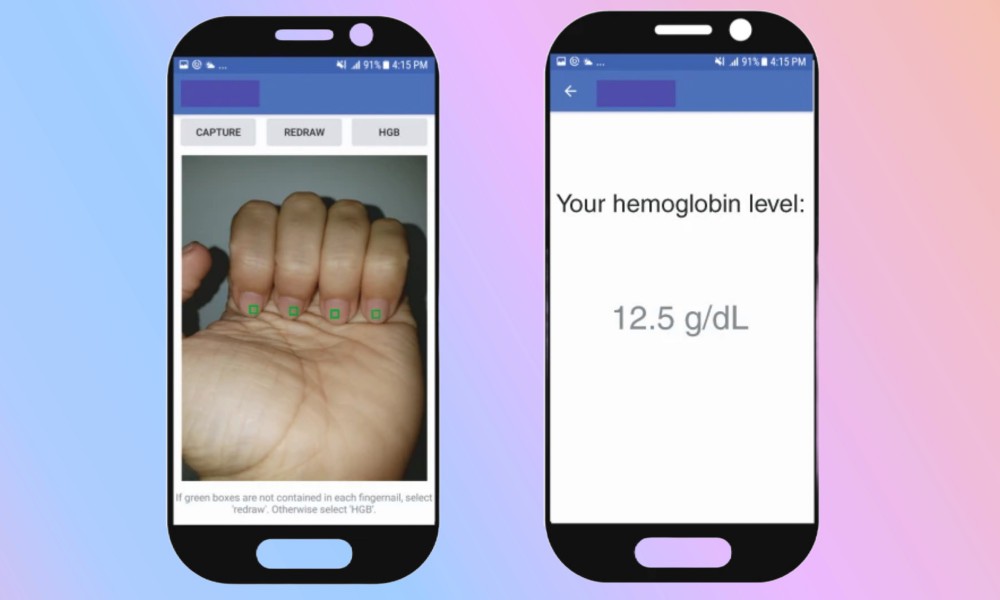
The app has helped over 200,000 users across the United States and conducted over a million tests as part of a medical study. According to the experts behind it, the app can be deployed as a highly scalable and accessible anemia surveillance tool.
The team behind the research found that their app delivered “accuracy and performance that match gold standard laboratory testing and a sensitivity and specificity of 89% and 93%, respectively.” Moreover, the app also offers an AI-driven personalization system for people who have already been diagnosed with anemia.
Once the app was personalized, the error rate decreased even further. An easily accessible digital tool like this will allow hundreds of millions of patients to regularly monitor their Hgb levels instantly, without having to visit clinics and get expensive blood tests done.
In 2020, Sanguina also developed an app called AnemoCheck for people suffering from chronic anemia. Back then, the company said it was not pursuing any regulatory approval for the app, and that it was more of a lifestyle solution. A similar app was tested for public health service in India two years ago and was deemed good enough for screening.
What’s the core benefit?
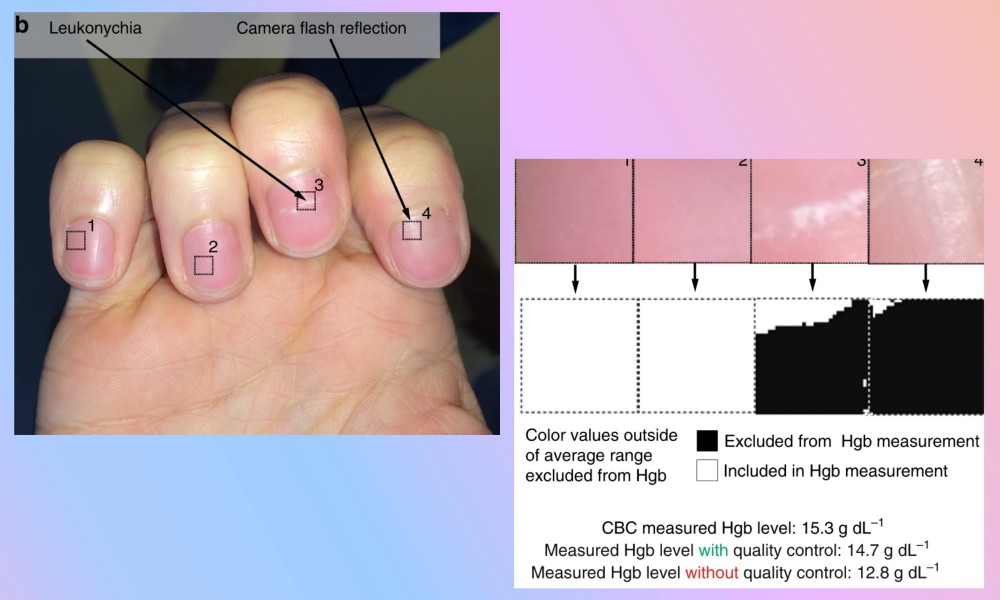
Experts at Chapman University made it abundantly clear that this app is not a replacement for proper medical tests, nor is it targeted at self-diagnosis. Instead, it merely serves as a warning system that lets users know if they should consult a doctor, especially if they see the pre-existing condition worsening.
“The app is particularly valuable for those with chronic anemia, such as people with kidney disease or cancer, who often require frequent monitoring,” says the team. In fact, when the app’s personalization feature was enabled, the usage increased the accuracy by as much as 50% in the target user pool.
The overarching goal is to allow self-monitoring and open the doors for early interventions by experts, without having to wait for lab results to come in. Interestingly, the app’s built-in geolocation feature enabled what the team calls “the first county-level anemia prevalence map in the U.S.”
Experts behind the project are hoping that this app can help improve public health efforts by allowing population-wide anemia screening in tandem with regional mapping. More details about the project can be accessed in the Proceedings of the National Academy of Sciences (PNAS) journal.


Comments on "AI app clicks nail selfie to detect blood condition affecting billions" :