Google Gemini’s best AI tricks finally land on Microsoft Copilot
Microsoft’s Copilot had a rather splashy AI upgrade fest at the company’s recent event. Microsoft made a total of nine product announcements, which include the agentic trick called Actions, Memory, Vision, Pages, Shopping, and Copilot Search.
A healthy few have already appeared on rival AI products such as Google’s Gemini and OpenAI’s ChatGPT, alongside much smaller players like Perplexity and browser-maker Opera. However, two products that have found some vocal fan-following with Gemini and ChatGPT have finally landed on the Copilot platform.
Deep Research
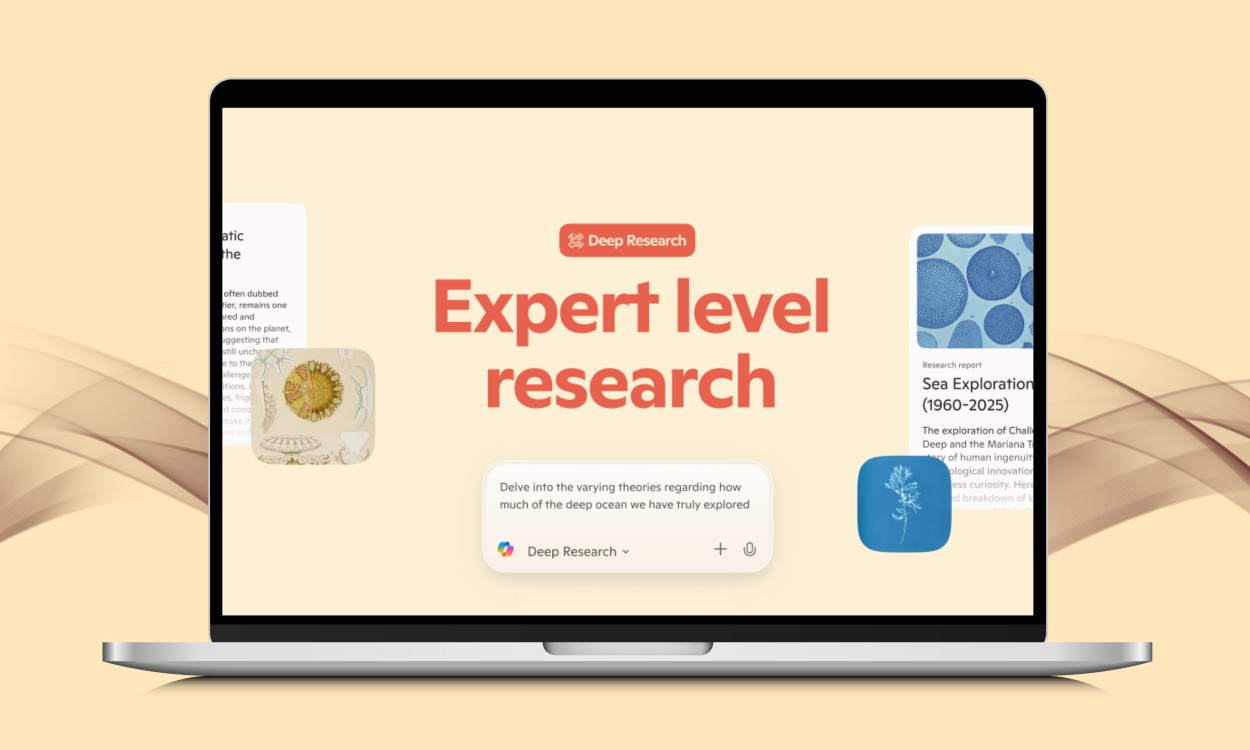
Everyone is big on Deep Research these days. Gemini has it. ChatGPT does it, too. Even Perplexity built one. It was surprising to see why the vanilla Copilot experience has been lacking such a meaningful tool, despite Microsoft being one of OpenAI’s closest partners and investors.
Well, that finally changes. Deep Research is now part of the Copilot bundle. The idea is pretty self-explanatory. If you are looking for a comprehensive, well-drafted, and in-depth report — instead of vague chatbot answers — Deep Research is where you go. This is what a Deep Research report looks like:
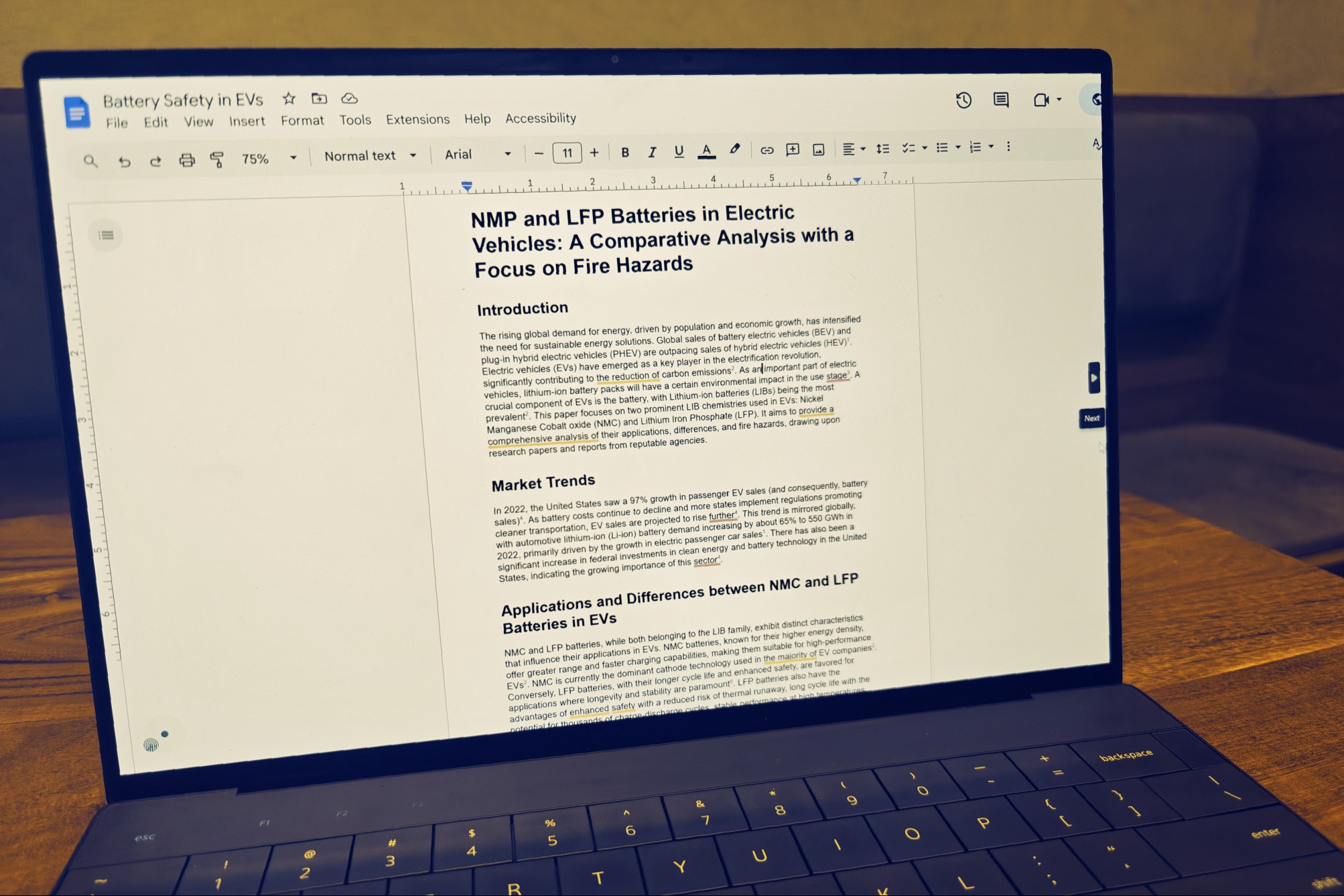
It looks up reliable sources, compiles information in the form of a research document (complete with all the cited sources), and saves you hours upon hours of tedious manual research. I’ve loved its implementation on Gemini, and I’m glad Copilot is finally getting one.
“Copilot can find, analyze and combine information from online sources or large amounts of documents and images,” says Microsoft. You don’t even need a Microsoft account to launch a Deep Research query, and a Copilot Pro subscription is not mandatory.
Microsoft will give you five free Deep Research queries each month, while subscribers will get an unlimited number of attempts and priority access. Late in March, the Microsoft 365 Copilot platform got access to an AI Researcher tool that can pull off something similar by analyzing online sources as well as local files.
Podcasts
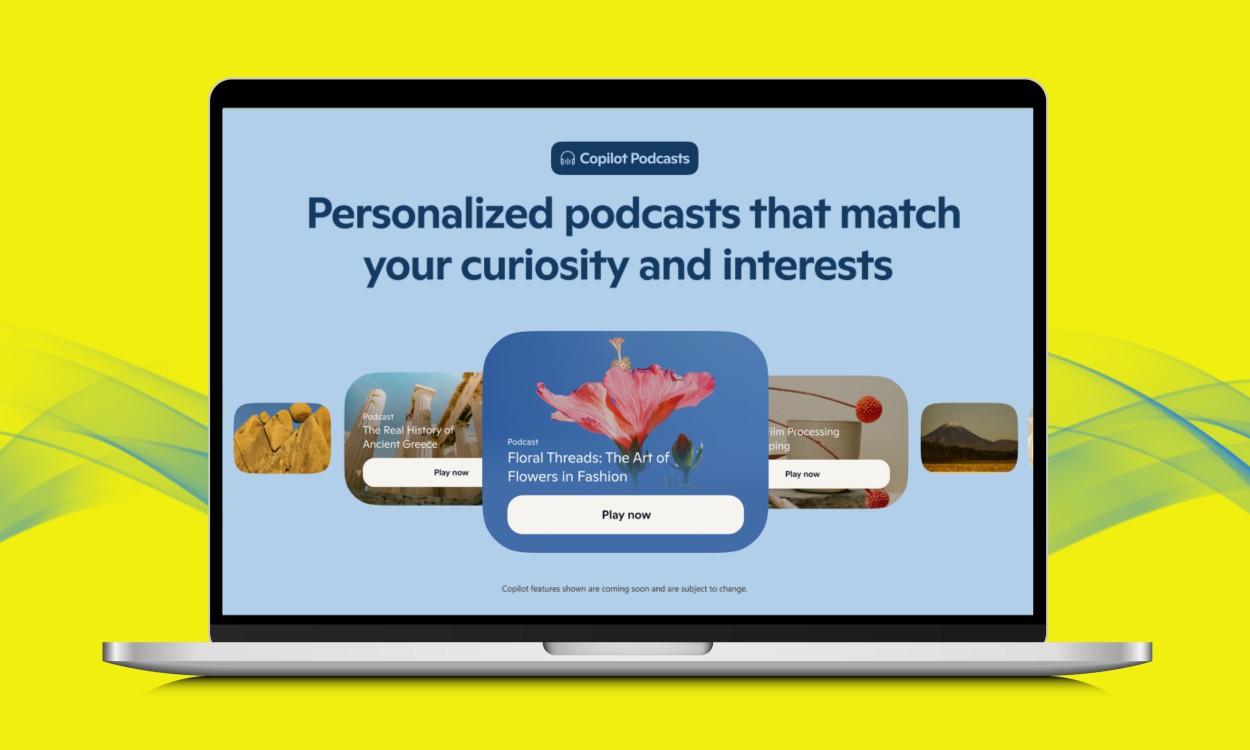
AI podcasts first made a splash with Google’s NotebookLM product, and barely a few weeks ago, it finally made an appearance on Gemini. I gave it a try and found it to be a pretty impressive tool that can turn even boring information into an intriguing immersive listening experience.
Google refers to these AI podcasts as audio overviews, but Microsoft is simply referring to them as podcasts. The overarching idea is similar, but Microsoft is offering a couple of extra perks.
You can’t interact with podcasts created by Google Gemini, but Copilot will let you intervene and resume. “While listening, you can continue to talk and interact with Copilot to learn more and keep the conversations going,” says the company.
A cool aspect is that Copilot can turn offline resources you upload, as well as the websites you suggest, into podcasts. Another feature that ties into the theme is Copilot Search, which is essentially Google Search AI mode, but for Microsoft’s Bing engine.



Comments on "Google Gemini’s best AI tricks finally land on Microsoft Copilot" :