Anthropic has thrown its hat in the race to establish an AI-based web search feature, which it announced on Thursday.
The feature is based on Anthropic’s Claude 3.7 Sonnet model and integrates web search into the chatbot tool. You can enable the feature in your profile settings. With an AI prompt, you will receive contextual results with search engine sources included, instead of just the link options you would receive in a standard search result. The web search feature will be available, first to paid U.S. customers and will roll out to additional users at a later time.
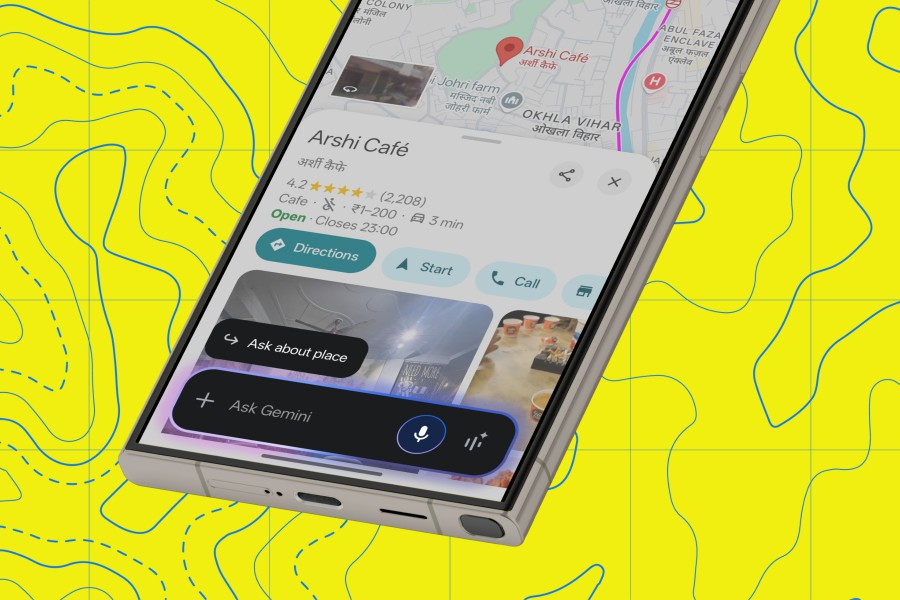
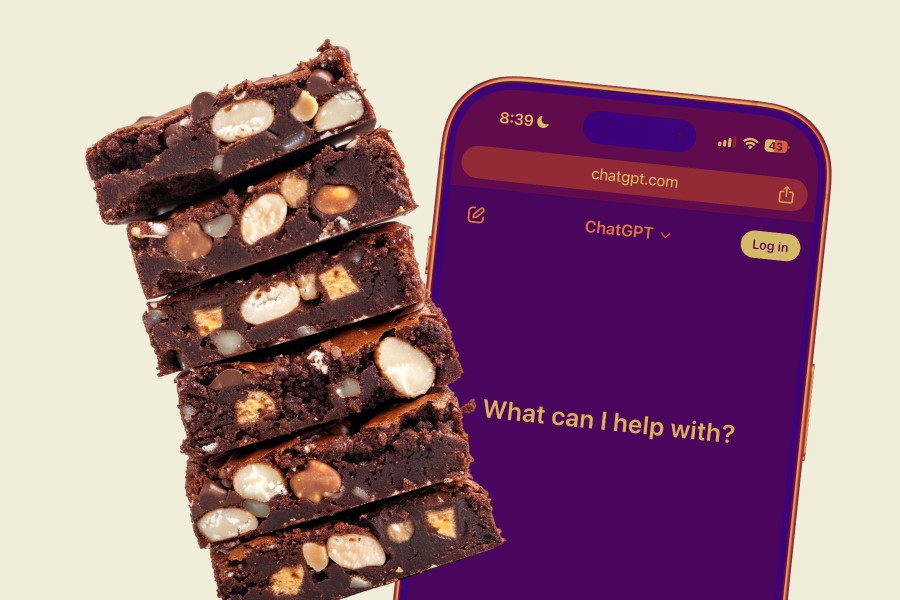
Anthropic has launched its web search feature to stay in pace with other AI-forward brands such as OpenAI, which introduced a similar ChatGPT search tool in the fall of 2024. OpenAI’s feature similarly began as a more exclusive tool for paid subscribers but has since been made available to all users. While Anthropic notably has Google as one of its venture partners, the brand has also recently rolled out a feature called AI mode as a preview to Google One Premium customers.
While Anthropic has noted several enterprise use cases, including analyzing industry trends and research for grant proposals, the company has also determined that the web search feature could be ideal for comparison shopping, according to Venture Beat.
Before Anthropic and other brands began integrating web search into AI tools, users had to utilize search engines and chatbots in tandem to complete various research– inserting information into different mediums where necessary. Now, web search features can simplify the steps for users to get the information they need under one platform, the publication added.
However, Android Headlines noted the downside to the rapidly developing AI technologies that are trying to keep up with one another. Initially, OpenAI developed its ChatGPT search to keep up with Google Search, then Google developed its AI Mode to keep up with ChatGPT. Now Anthropic has developed its web search to keep up with both competitors.
Meanwhile, all of these options stand to cannibalize the already-standing web results as search engines begin to favor results from AI tools such as Perplexity, ChatGPT Search, and AI Overviews over traditional websites. According to a recent study, AI search engines send 96% less traffic to news sites than Google search. This is likely due to the AI options using links as annotations instead of the primary source for users to do the research themselves, so users are less likely to navigate away from the AI tool page.
There’s a lot of AI hype floating around, and it seems every brand wants to cram it into their pro...
Read More →
The idea of a truly helpful digital assistant has caught more steam ever since products like ChatGPT...
Read More →
Apple WWDC This story is part of our complete Apple WWDC covera...
Read More →
OpenAI has just announced that ChatGPT received a major upgrade to its memory features. The chatbot ...
Read More →
Microsoft is late to the party, but it is finally bringing a deep research tool of its own to the Mi...
Read More →
Meta delivered an unexpected runaway success with its Ray-Ban Stories smart glasses, and now, it is ...
Read More →
OpenAI is inconsistent in a lot of things — is it a non-profit or a for-profit? Is Sam Altman fit ...
Read More →
Derek Malcolm / Digital TrendsIn a move expected to dramatically increase the quantity of available ...
Read More →
OpenAI has made it clear that its flagship AI service, ChatGPT is not intended for malicious use.The...
Read More →
Comments on "Anthropic Claude is evolving into a web search tool" :