Anthropic’s new Claude model offers both real-time and long-pondered responses
OpenAI’s o3 and DeepSeek’s R1 models have some new competition. Anthropic announced Monday the release of its new “hybrid reasoning” model, Claude 3.7 Sonnet.
Existing reasoning models like o3, R1, and Google’s Gemini 2.0 Flash Thinking are designed to break down complex problems into smaller tasks, then deduce and verify their answers before responding, a process that returns more accurate answers at the cost of higher compute usage and longer inference times. Claude 3.7 Sonnet, on the other hand is capable of providing either “near-instant responses or extended, step-by-step thinking that is made visible to the user,” according to the company’s announcement post.
Claude 3.7’s dual nature is part of an effort by the company to simplify the user experience and eliminate the massive model picker menus found on other chatbot platforms. OpenAI announced a similar plan with its upcoming GPT-4.5 and GPT-5 models.
“Just as humans use a single brain for both quick responses and deep reflection, we believe reasoning should be an integrated capability of frontier models rather than a separate model entirely,” the company wrote. “This unified approach also creates a more seamless experience for users.”
Claude 3.7 Sonnet is rolling out to all Claude users, however, the model’s extended thinking ability will only be accessible with a paid subscription. Anthropic is quick to point out that even with its standard thinking process, Claude 3.7 outperforms the model’s predecessor, Claude 3.5.
The new Sonnet’s extended thinking process has been shown to improve the model’s response quality across a variety of math, physics, instruction-following, and coding tasks. “Claude is once again best-in-class for real-world coding tasks, with significant improvements in areas ranging from handling complex codebases to advanced tool use,” the company boasted.
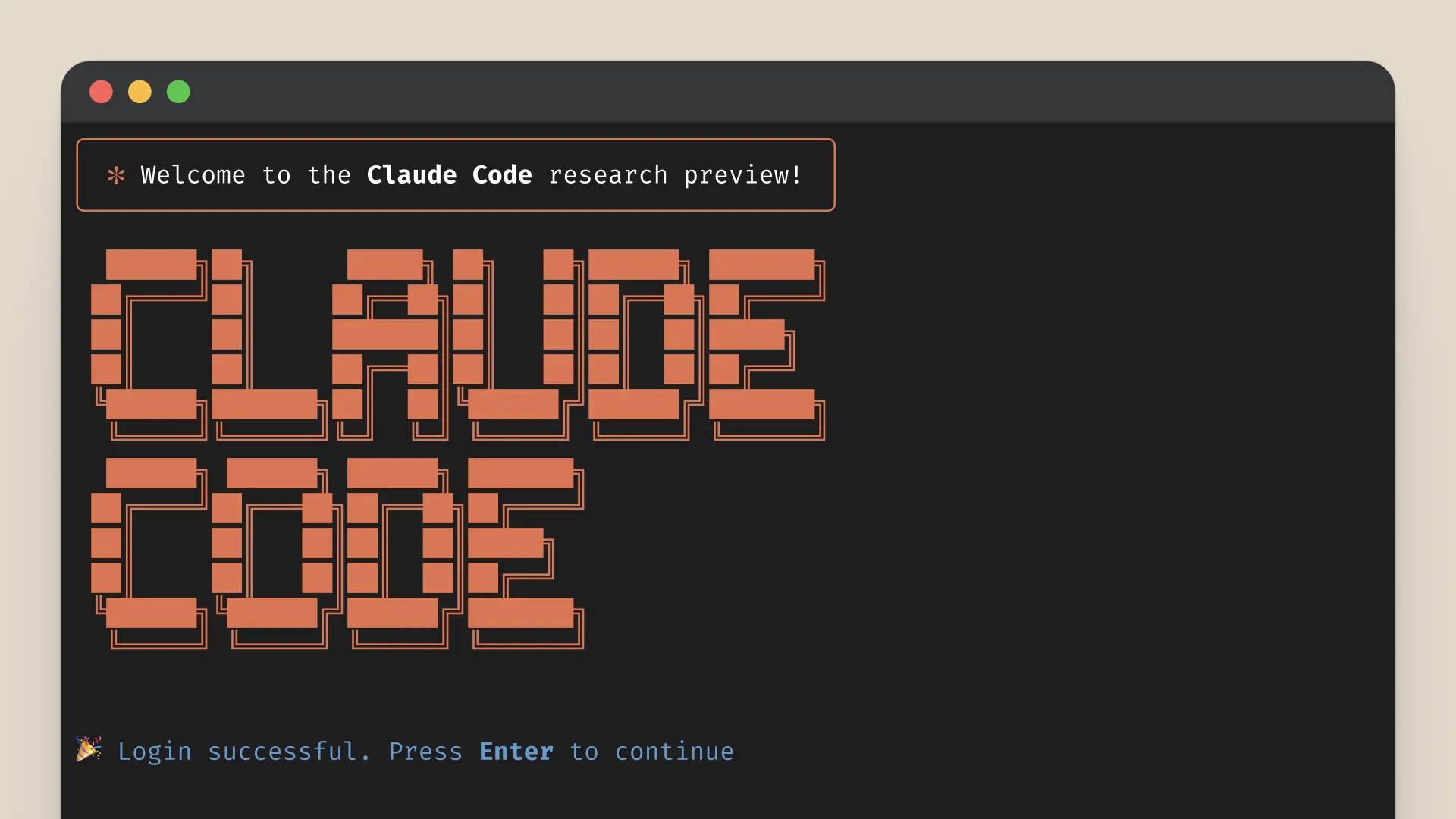
Anthropic also teased its agentic AI, dubbed Claude Code, in Monday’s announcement. “Claude Code is an active collaborator that can search and read code, edit files, write and run tests, commit and push code to GitHub, and use command line tools,” the company wrote.
Anthropic is releasing Claude Code as a limited research preview and plans to further improve its performance in the coming weeks based on feedback from developers and other early adopters. The agentic AI builds off of the success of Anthropic’s earlier pseudo-agent, Claude Computer Use, which enabled the AI to manipulate its local computing system by mimicking the keyboard and mouse movements of a human user.






Comments on "Anthropic’s new Claude model offers both real-time and long-pondered responses" :